Choosing the right knee support can feel confusing. A patella strap and a knee brace may both be used during sports, training, or everyday movement, but they are designed to support the knee in different ways.
A patella strap applies focused pressure below the kneecap. A knee brace covers more of the knee and may provide broader compression or a greater feeling of stability.
The better option depends on where you want support, how much coverage you prefer, and the activities you do most often.
Quick answer: Choose a patella strap if you want lightweight, targeted support with greater freedom of movement. Choose a knee brace if you prefer more coverage around the knee or a more supported feel.
What Is a Patella Strap?
A patella strap, also known as a patellar tendon strap or infrapatellar strap, is a narrow band worn just below the kneecap.
Because it covers only a small area, a patella strap is a popular option for people who want minimal gear and unrestricted knee movement.
Common reasons people wear a patella strap include:
Running and sprinting
Basketball, volleyball, and tennis
Hiking, especially on descents
Jump training
Squats and lower-body workouts
Other activities with repeated knee loading
A patella strap is a support tool, not a diagnosis or treatment for every type of knee pain.
What Is a Knee Brace?
A knee brace is a broader category of knee-support products. Depending on the design, it may cover much of the knee joint and provide compression, side support, or a more secure feeling during activity.
Some knee braces are lightweight and flexible. Others use straps, hinges, or more structured materials. The level of support can vary significantly by product.
A knee brace may appeal to people who want:
More coverage around the knee
Broader compression or support
A more secure feel during certain activities
A product designed for a specific support need
The right brace depends on its design, fit, and intended use. More coverage does not automatically make it the better choice for every activity.
Patella Strap vs. Knee Brace: Key Differences
Feature
Patella Strap
Knee Brace
Position
Sits below the kneecap
Covers more of the knee
Coverage
Minimal and targeted
Broader coverage
Support style
Focused pressure over the patellar tendon area
Compression, structure, or support that varies by design
Mobility
Greater freedom of movement
Varies by brace type
Feel during activity
Lightweight and low-profile
More enclosed and supportive
Often chosen for
Running, jumping, hiking, and training
Users who prefer more coverage or a more supported feel
In simple terms, a patella strap is designed for targeted support with minimal bulk. A knee brace is designed for broader support around the knee.
When Is a Patella Strap a Better Choice?
A patella strap may be a good option if you want a lightweight support product that does not cover the entire knee.
It may suit you if you:
Prefer a minimal, low-profile design
Want targeted pressure below the kneecap
Run, jump, hike, or train regularly
Do not want a sleeve or brace to cover the whole knee
Need a support option that fits easily under or over workout clothing
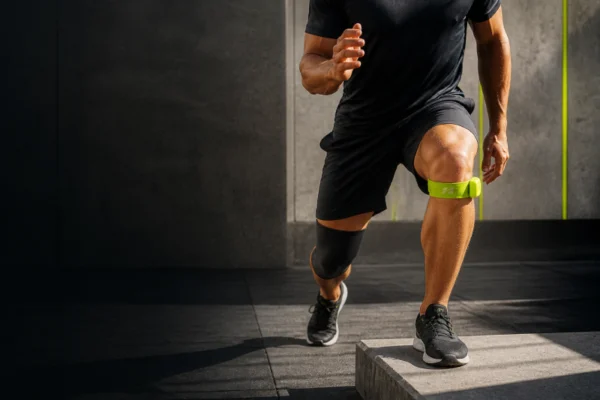
Many runners and athletes choose a patella strap because it allows the knee to move naturally while adding a focused point of compression.
A knee brace may be a better choice if you prefer more coverage around the knee or a more secure feeling during activity.
You may prefer a knee brace if you:
Want broader compression around the knee joint
Feel more comfortable with a larger support product
Need a brace designed for a particular sport or support need
Prefer straps, stays, or a more structured fit
Have been advised by a qualified healthcare professional to use a specific type of brace
Because knee braces come in many designs, it is important to follow product instructions and use a style that matches your activity and fit requirements.
Patella Strap vs. Knee Brace for Running and Sports
For running, the choice often comes down to mobility and personal comfort.
Running involves thousands of repeated steps, so many runners prefer equipment that feels lightweight and does not interfere with their natural stride. A patella strap may be a practical choice when you want support below the kneecap without covering the entire joint.
For sports such as basketball, tennis, volleyball, and pickleball, movement demands change quickly. Players accelerate, decelerate, jump, land, and change direction within seconds.
A traditional patella strap or knee brace provides a fixed level of support once it is fitted. That may work well for many athletes, but it does not change automatically as the activity changes.
The best approach is to choose a product that feels secure, stays in place, and allows you to move comfortably through your sport.
Can a Patella Strap Replace a Knee Brace?
Not always.
A patella strap and a knee brace serve different purposes. A strap is intended for targeted support below the kneecap, while a brace offers broader coverage and can vary from simple compression to more structured support.
If you are deciding between the two, consider:
Where you want support
Whether you value mobility or coverage more
Your sport or training routine
How the product fits during movement
Any guidance you have received from a healthcare professional
If your knee pain is severe, persistent, worsening, or caused by a recent injury, a support product should not replace a proper evaluation.
From Fixed Support to Adaptive Knee Support
Traditional patella straps and knee braces typically provide the same level of compression throughout an activity. But walking, running, sprinting, jumping, and hiking place different demands on the knee.
This is where adaptive support technology offers a different approach.
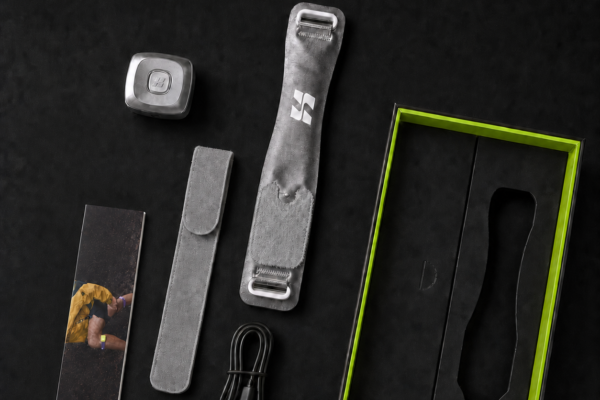
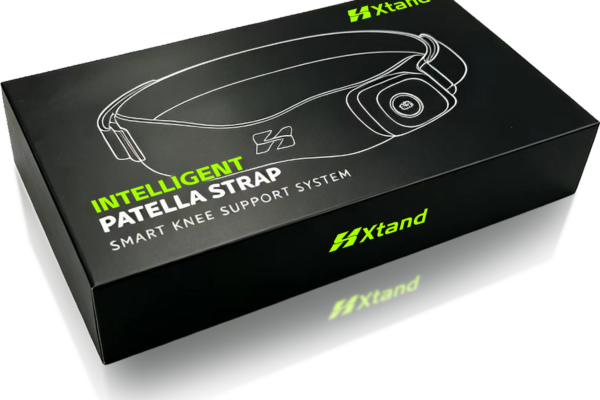
Xtand Orion is an intelligent patella strap designed to recognize movement patterns and automatically adjust its compression as activity changes. According to its product specifications, Orion uses motion sensors, AI-powered motion recognition, and adaptive compression to respond during activities such as walking, running, squatting, and jumping. Explore Xtand Orion.
Rather than manually changing a strap’s tension between activities, users can choose a support option designed to adapt as their movement changes.
Xtand makes the Orion product referenced in this article.
Frequently Asked Questions
Is a patella strap better than a knee brace?
Neither is universally better. A patella strap is usually better for people who want lightweight, targeted support below the kneecap. A knee brace may be a better fit for people who prefer broader coverage or a more supported feel.
Can I run with a patella strap?
Yes. Many people wear patella straps for running because they are lightweight and allow the knee to move freely. Make sure the strap is positioned correctly and remains comfortable during your warm-up.
Can I wear a patella strap and a knee brace together?
It depends on the products and your reason for using them. Combining supports can create excessive pressure or an uncomfortable fit. Follow the manufacturers’ instructions and seek professional advice if you are unsure.
How tight should a patella strap be?
It should feel snug and secure without causing pain, numbness, tingling, or restricted movement. If it slips, adjust it according to the product instructions. If it feels uncomfortable, loosen or remove it.
Does a patella strap treat a knee injury?
No. A patella strap is a support product and does not diagnose, heal, or replace treatment for an injury. If symptoms persist or worsen, seek guidance from a qualified healthcare professional.
Can I wear a knee brace all day?
Follow the instructions for your specific brace. If a brace causes discomfort, skin irritation, numbness, or changes in circulation, remove it and seek professional guidance if needed.
When to Seek Professional Advice
Do not rely on a patella strap or knee brace alone if you have severe pain, significant swelling, an inability to bear weight, knee locking, repeated giving way, redness or warmth, or symptoms after a fall or twisting injury.
A physical therapist, sports medicine clinician, or orthopedic professional can help identify the cause of knee symptoms and recommend an appropriate plan.
The Bottom Line
When comparing a patella strap vs. knee brace, the right choice depends on your activity, comfort, and support preferences.
A patella strap provides targeted support below the kneecap with a lightweight, low-profile fit. A knee brace provides broader coverage and may offer a more supported feel around the knee.
A hike can ask very different things of your body.
Uphill sections test strength and endurance. Flat sections let you settle into a rhythm. But downhill terrain often becomes the real test of contr...
Running is never just one movement.
Your pace changes, your stride changes, and the demands of each step can change with them. An easy jog, a tempo run, a hill session, and a sprint workout may all...
Adaptive knee support is a wearable support approach designed to respond to changing movement conditions.
Unlike a traditional knee sleeve, knee brace, or patella strap that provides one fixed leve...
For decades, knee support has followed a simple idea: apply pressure, create a more supported feel, and help people move with confidence.Compression sleeves, traditional knee b...
A patella strap is a narrow support band worn just below the kneecap. It applies focused pressure across the patellar tendon while allowing the knee to bend and move freely.
Runners, hikers, basket...

 Quick answer: Choose Auto Mode when you want Orion to adjust its support response as your movement changes. Choose Manual
 Quick answer: Measure your leg 3–5 cm below the kneecap. If the circumference is between 34 and 45 cm, it
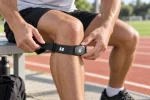 Quick fit: 3–5 cm below the kneecap, logo forward, AI module on the outer side, buckle secure, and one finger
 Activity Why the strap may shift Running Repeated flexion and extension Squatting Deeper knee bending changes leg shape Lunging Split
 The squat is one of the most widely used lower-body exercises.As you descend, your knees and hips flex while your