Compra 2 Xtand Orion Pro y obtén un descuento de 20%

Blog
Knee Support for Squats, Lunges, and Strength Training
Publicado por
Xtand
Índice
Strength training is built around controlled movement—but that does not mean every movement is the same.
A lower-body workout may include bodyweight squats, loaded squats, forward or reverse lunges, leg presses, and faster functional exercises. Your range of motion, resistance, speed, stance, and fatigue level can all change from one set to the next.
Traditional knee sleeves, braces, and patella straps provide a relatively consistent level of support. That may be exactly what some lifters want. Others may prefer knee support designed to respond as their movement changes.
Quick Answer: What Should Knee Support Do During Strength Training?
Knee support for strength training should feel secure without unnecessarily restricting the range of motion required by the exercise.
The right choice depends on the individual, but important considerations include:
- The exercises being performed
- Training load and intensity
- Required range of motion
- Comfort and fit
- Previous injuries or symptoms
- Guidance from a qualified healthcare professional
Knee support can complement a workout, but it cannot correct poor technique, compensate for inappropriate loading, or guarantee protection against injury.
Knee Support During Squats
The squat is one of the most widely used lower-body exercises.
As you descend, your knees and hips flex while your body controls the load. As you drive upward, the legs extend and return you to the starting position.
The basic movement cycle looks like this:
Descend → Control → Drive → Extend
However, not every squat creates the same movement demands. A bodyweight squat, heavy back squat, front squat, split squat, and fast functional squat differ in load, speed, stance, and range of motion.
Are deep squats bad for your knees?
Depth alone does not automatically make a squat unsafe.
A 2024 review found that deep squats generally did not negatively affect knee-joint health in resistance-trained individuals when performed with appropriate technique and progressive loading. Individual mobility, training history, symptoms, and load selection still matter. Read the research review
The practical takeaway is not that everyone should squat as deeply as possible. It is that squat depth should be appropriate for the lifter rather than treated as universally harmful.
A knee-support product should allow the range of motion needed for the selected squat variation without slipping, pinching, or creating numbness.
Lunges Require a Different Kind of Control
Lunges add a split stance and a greater balance component.
Depending on the variation, you may step forward, backward, sideways, or continue through a walking lunge. Your weight distribution and knee position change throughout each repetition.
Common variations include:
- Forward lunges
- Reverse lunges
- Walking lunges
- Lateral lunges
- Rear-foot-elevated split squats
These exercises should not be treated as identical.
One laboratory study involving asymptomatic women found greater patellofemoral loading variables during forward lunges than backward lunges. That does not make forward lunges inherently dangerous, but it shows that changing the exercise variation can change how the knee is loaded. View the lunge study
This matters when choosing knee support: a product that feels comfortable during symmetrical squats may feel different during split-stance or multidirectional movements.
Strength Training Is Not Static
Even a controlled workout changes continuously.
You may begin with unloaded warm-up movements, progress to heavier compound exercises, perform unilateral lunges, and finish with faster conditioning work.
During that session, several variables can change:
| Training variable | How it may change movement |
| Resistance | Alters muscular effort and movement strategy |
| Rango de movimiento | Changes knee and hip flexion |
| Exercise selection | Shifts stance, balance, and loading patterns |
| Movement speed | Changes how quickly force is produced |
| Fatigue | May affect control and technique |
| Rest periods | Move the body between effort and recovery |
A fixed-support product maintains the same manually selected compression throughout these changes. That consistency can be useful, but it does not actively respond to the workout.
Fixed vs. Adaptive Knee Support
Traditional and adaptive knee supports take different approaches. Neither category is automatically best for everyone.
| Fixed knee support | Adaptive knee support |
| Uses a manually selected fit or tension | Designed to respond to movement changes |
| Provides relatively consistent compression | Can vary its compression response |
| Simple and familiar | Uses sensors and algorithms |
| Does not recognize activity | May identify supported movement patterns |
| No charging required | Electronic models require charging |
A compression sleeve may suit someone who wants warmth and a consistent support sensation. A traditional brace may be more appropriate when prescribed for a specific clinical need. A patella strap offers targeted pressure below the kneecap.
Adaptive support may appeal to people who want a more responsive experience across different exercises and intensities.
How Xtand Orion Works During Strength Training
Xtand Orion is an intelligent patella strap designed to provide adaptive knee support during active movement.
According to Xtand, Orion’s sensors monitor knee angle, movement speed, and acceleration. Its AI-powered motion-recognition system is designed to identify several movement patterns, including squatting, and its adaptive compression system adjusts its response based on detected activity. Explore Xtand Orion
The official specifications list:
- AI-powered motion recognition
- Adjustable compression from 0–50 kPa
- 52-gram product weight
- Approximately 4–6 hours of battery life
- Optional iOS and Android app connectivity
Xtand specifically lists squatting among Orion’s recognized movement patterns. The company does not currently state that every lunge variation or individual strength exercise is recognized as a separate activity, so it should not be presented as doing so.
For a varied training session, Orion is designed around four steps:
- Sense: Motion sensors monitor how the knee is moving.
- Analyze: The system evaluates the recognized movement pattern and intensity.
- Respond: Compression adjusts according to the system’s support strategy.
- Record: When connected to the app, Orion can record movement information and activity trends.
The goal is a responsive support experience—not a guarantee of better lifting performance or injury prevention.
Support Without Unnecessary Restriction
More compression is not always the same as better support.
Compression that is too tight may feel restrictive, cause discomfort, or interfere with the range of motion needed for an exercise. Support that is too loose may slip or fail to provide the sensation the athlete wants.
Regardless of the product, stop and adjust it if you experience:
- Numbness or tingling
- Skin discoloration
- Pinching or sharp discomfort
- Restricted circulation
- Slipping that changes your movement
- Increased knee pain
Knee support should complement natural movement. It should not be used to push through symptoms or lift loads that cannot be controlled with appropriate technique.
How to Choose Knee Support for Strength Training
Before choosing a product, consider what you actually want the support to do.
Choose a compression sleeve if:
- You prefer consistent compression and warmth.
- You want a simple, non-electronic option.
- You do not need targeted patellar support.
Consider a patella strap if:
- You prefer targeted pressure below the kneecap.
- You want less material around the knee joint.
- The strap remains comfortable during deep flexion.
Use a prescribed knee brace if:
- A qualified clinician has recommended one.
- You are returning from an injury or surgery under professional guidance.
- You require a particular form of structural support.
Consider adaptive support if:
- Your workouts include different movements and intensities.
- You prefer support designed to respond to activity changes.
- You want movement data or app-connected features.
- You are comfortable charging and maintaining an electronic wearable.
Preguntas frecuentes
Should I wear knee support while squatting?
You can wear knee support if it is comfortable and appropriate for your needs. However, it should not restrict your squat depth, cause numbness, or replace proper technique and progressive loading.
Do knee sleeves make squats safer?
Knee sleeves may provide warmth, compression, and a feeling of support, but they do not guarantee safer lifting or prevent injury. Training technique and appropriate load selection remain essential.
Can I use a patella strap for squats and lunges?
A patella strap can be worn during these exercises if it fits securely and remains comfortable through knee flexion. Stop using it if it pinches, slips, or increases symptoms.
Does Xtand Orion recognize squats?
Yes. Xtand lists squatting as one of Orion’s recognized movement patterns. It does not currently claim that every squat or lunge variation is classified separately.
Can adaptive knee support fix poor squat form?
No. A support product cannot correct technique, mobility limitations, or inappropriate loading. Consider working with a qualified coach or physical therapist if you need help with movement mechanics.
Should I train through knee pain?
Do not rely on knee support to mask worsening pain. Reduce or stop the aggravating exercise and seek professional evaluation if pain is severe, persistent, associated with swelling or instability, or follows an acute injury.
Train Strong. Move Smarter.
Strength training is not one repeated movement.
You squat. You lunge. You lift. You rest. Then the exercise, resistance, range of motion, and intensity change again.
Xtand Orion brings AI-powered adaptive knee support to active training. It is designed to recognize supported movement patterns and adjust its compression response as activity changes.
Your workout evolves from set to set. Your support can be designed to respond with it.
This article is for general educational purposes only and is not medical advice. Seek guidance from a qualified healthcare professional for persistent pain, swelling, locking, instability, loss of motion, inability to bear weight, or symptoms following an acute injury.
Publicaciones recientes
- Auto Mode vs Manual Mode on Xtand Orion
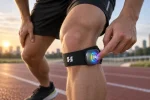 Quick answer: Choose Auto Mode when you want Orion to adjust its support response as your movement changes. Choose Manual
 - Xtand Orion Size Guide
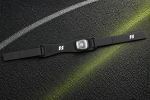 Quick answer: Measure your leg 3–5 cm below the kneecap. If the circumference is between 34 and 45 cm, it
 - How to Wear Xtand Orion Correctly
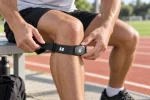 Quick fit: 3–5 cm below the kneecap, logo forward, AI module on the outer side, buckle secure, and one finger
 - Why Your Knee Strap Slips During Exercise—and How to Fix It
 Activity Why the strap may shift Running Repeated flexion and extension Squatting Deeper knee bending changes leg shape Lunging Split
 - Knee Support for Squats, Lunges, and Strength Training
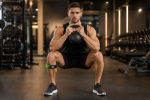 The squat is one of the most widely used lower-body exercises.As you descend, your knees and hips flex while your
Comentarios recientes
No hay comentarios que mostrar.